




During the planning stages of this sabbatical, we suspected our time in Ubud would be centered around art projects. We couldn’t have forecasted, however, how much these pottery and batik workshops would have an impact on our future plans. These last two months have been transformative, and the experiences here have led to a potential reframing of the rest of our year abroad. We’ve had countless conversations around how to continue down these creative paths, and how we choose future locations that will allow us to explore these areas deeper. Plans are still taking shape, but one thing we do know is that we will be back in Bali as a part of it. So, we’re not saying goodbye, we’re just saying, ‘until we see you again…’

Tagged: auf wiedersehen, goodbye


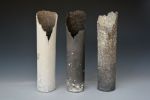
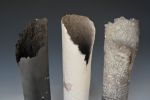
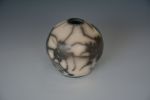
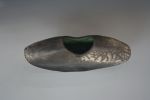
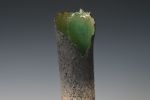
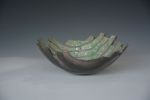
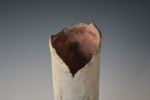
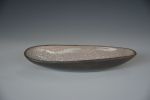


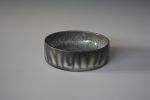

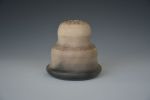
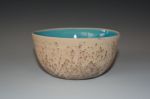
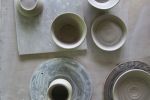
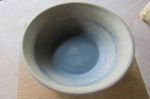
Just following up with some of the final raku (joy) pieces that I created in the workshop. It was sooo much fun and I think I have found a new passion. All the pieces were shot at different times, so the backgrounds are a little different.
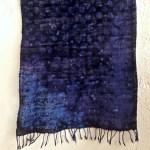
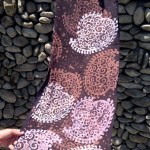

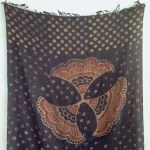
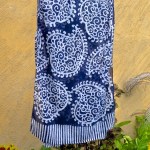

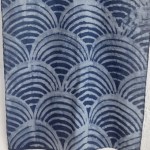

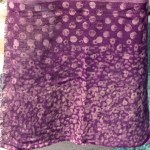

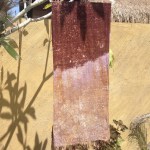
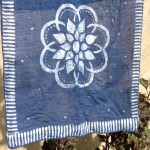

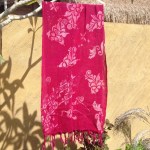
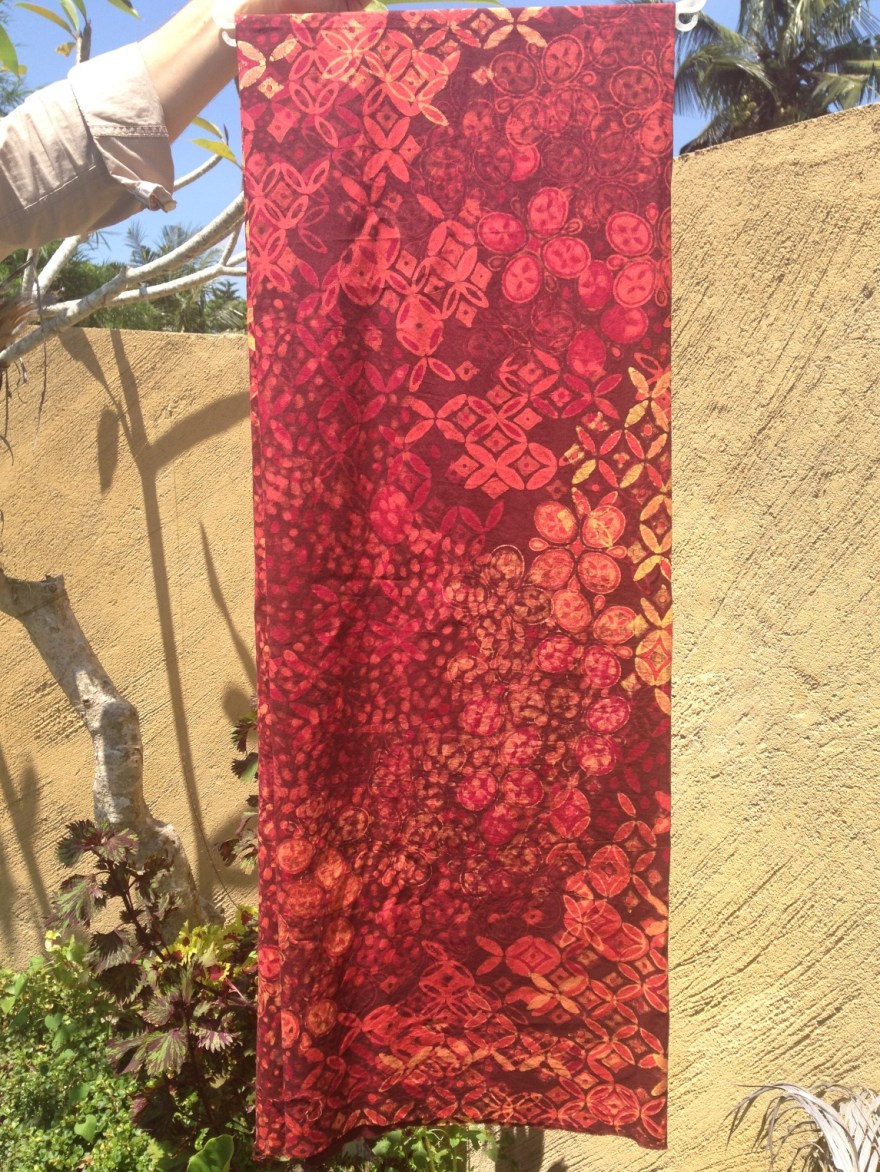
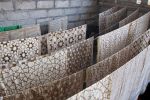
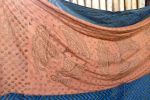
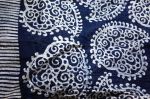
A few of my final designs…an eclectic mix of colors, materials and wax application methods. Really hoping to work with natural indigo and woodcut stamps again. Stay tuned as we figure out some plans for studio work in Berlin.


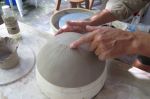
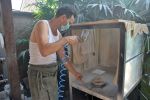
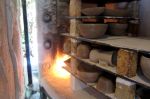
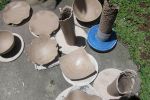
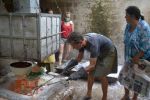

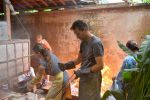
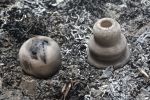
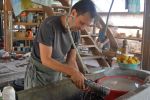
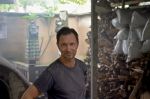

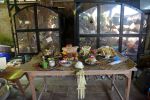
Ubud, Bali, Indonesia: The first piece of pottery I picked up in Bali was finished in raku. I fell in love with its smoke wreathed finish and scratched surface arterial lines, and knew I wanted to experiment with making pieces in this style. By chance, we stopped by Gaya Ceramics 3 days before its 2-week raku immersion workshop started, and I was able to get a spot in class.
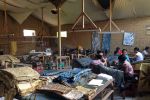
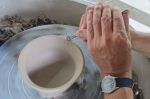
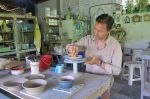
Gaya’s open-air space is beautifully designed in a traditional Javanese joglo. Artists & instructors from around the world who chose to dedicate their lives & careers to ceramics are a part of the Gaya community. An American painter, potter & textile artist, Hillary Kane, runs the center. Hillary instructed us each day as we were hand building & throwing clay on the wheel, but for me personally, she also served as an inspiration for how to live an arts & crafts-driven life across the globe.
Each day of the workshop, I felt closer to the elements: my hands in the dirt & water, and finishing the clay with fire & smoke. There’s something really rough & raw about this, and it brought me back to what I love about designing & creating art. Also, being back in a studio environment fueled me. This is my place, and I love being able to draw inspiration from other artists. This intensive 2-week period got me thinking even more seriously about future ceramics scenarios and exploring the arts across the rest of our year abroad.
Finished work to follow…
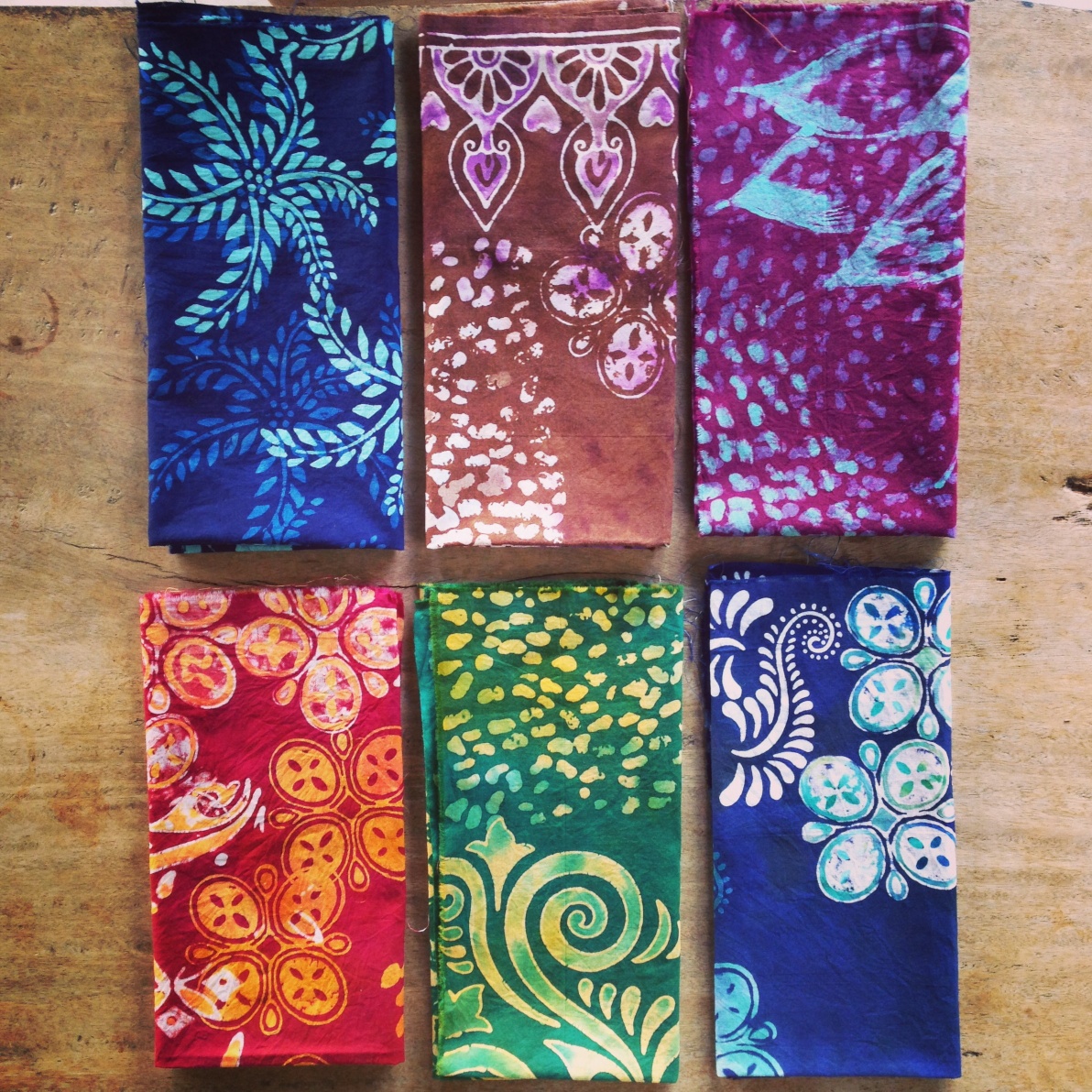
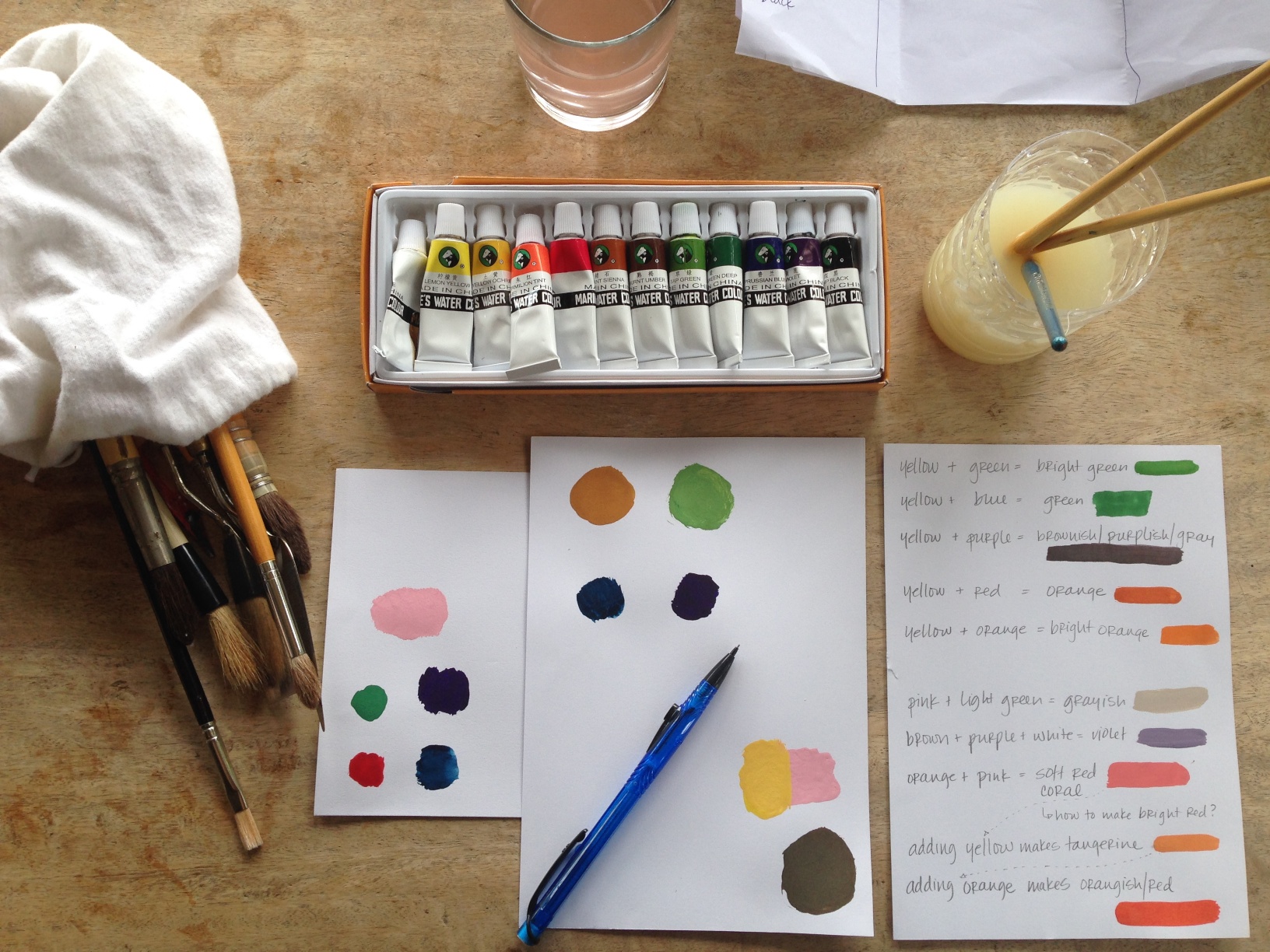
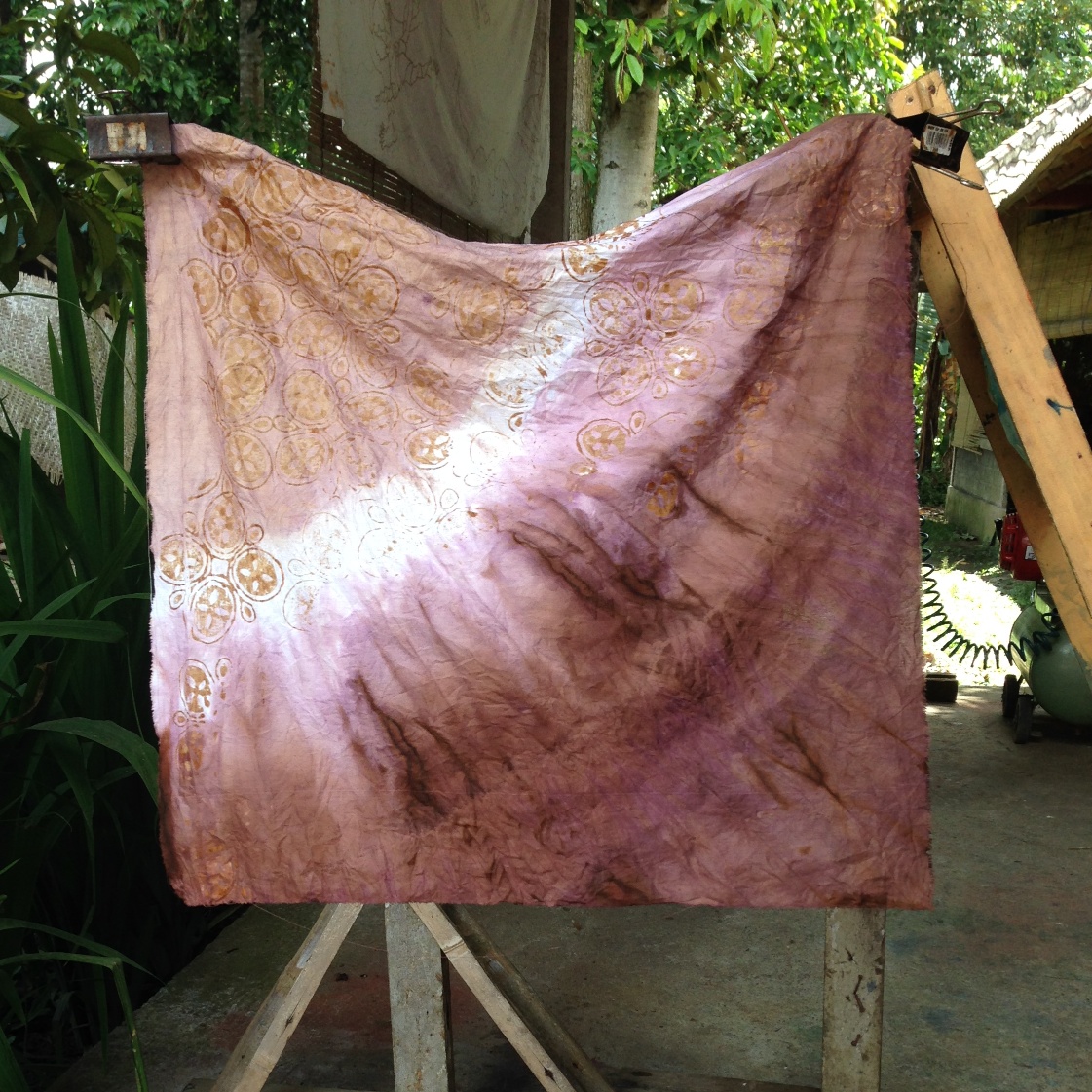 Color is a tricky one for me, as I didn’t go to art school and remember very little about color theory from my high school art days. Enter Thomas, artist in residency. Together we brainstormed mixes, complementary color combinations, and read about home dyeing, additive & subtractive colors and the color wheel. I needed to do some experimentation of my own, however, so we found an art supply store and I started mixing my own watercolors. After some playing around, I was able to gain a better understanding of how to create the really bold or really subtle colors I wanted to reproduce on fabric.
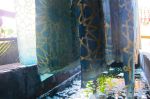
 And then there are fibers. The fibers I choose have an effect on color as well. A hand woven cotton or a fine grade machine-spun thin cotton, for example, will turn out differently if dipped in the same color because of the variation across weaves, grades and weights. Over these past 2 months, I did tons of testing to understand how all of this intersects with wax to create a finished fabric.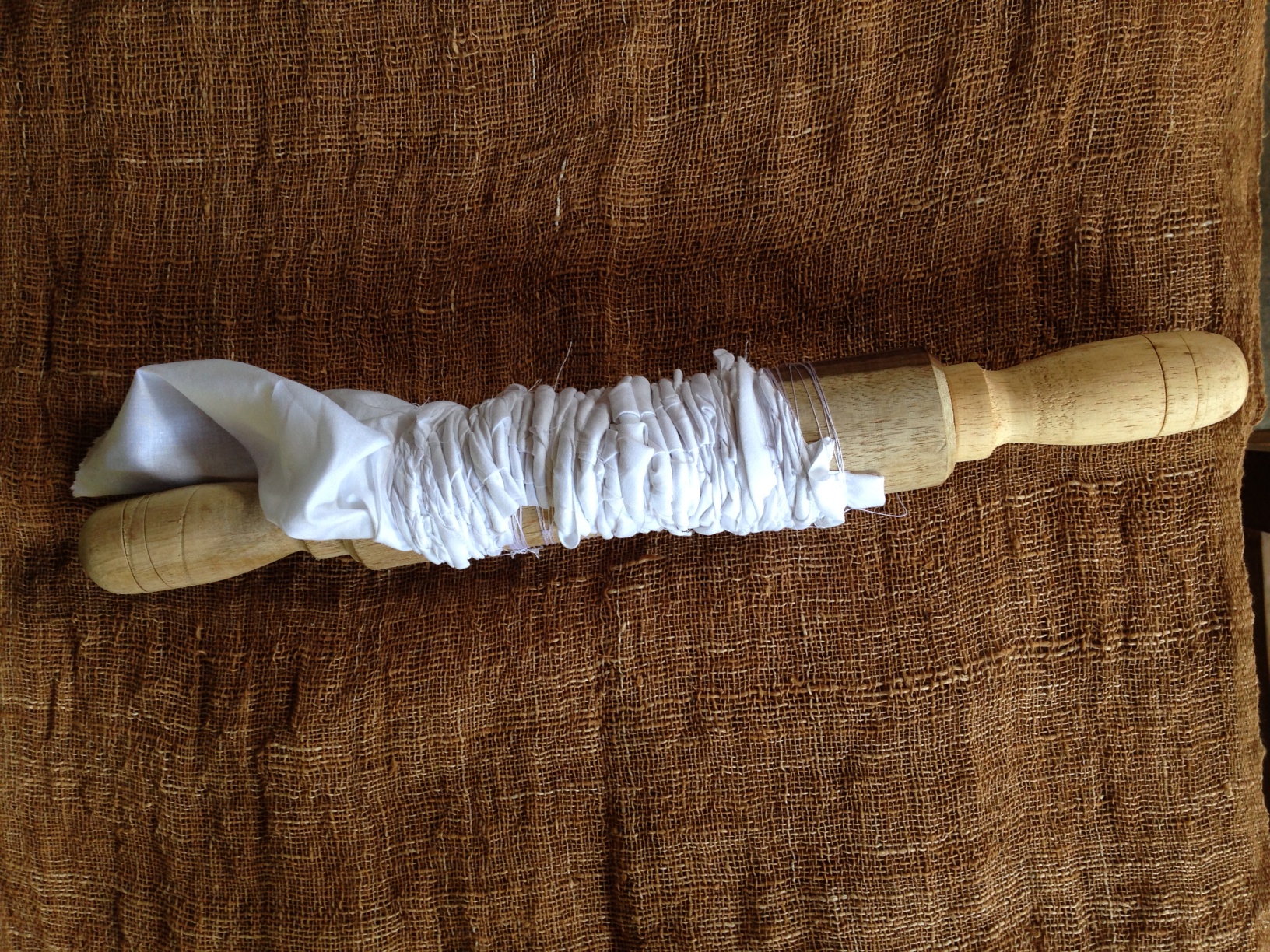
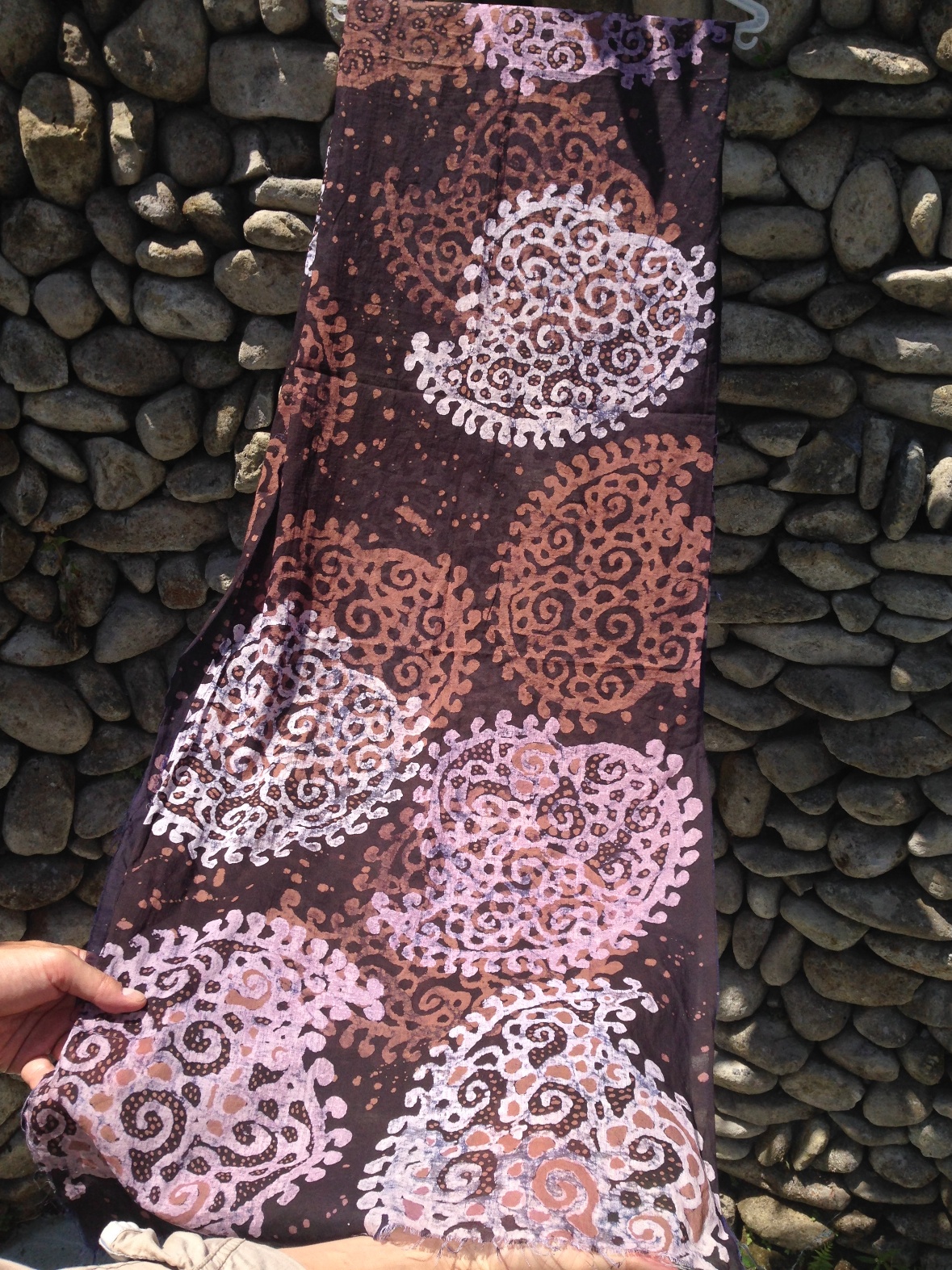
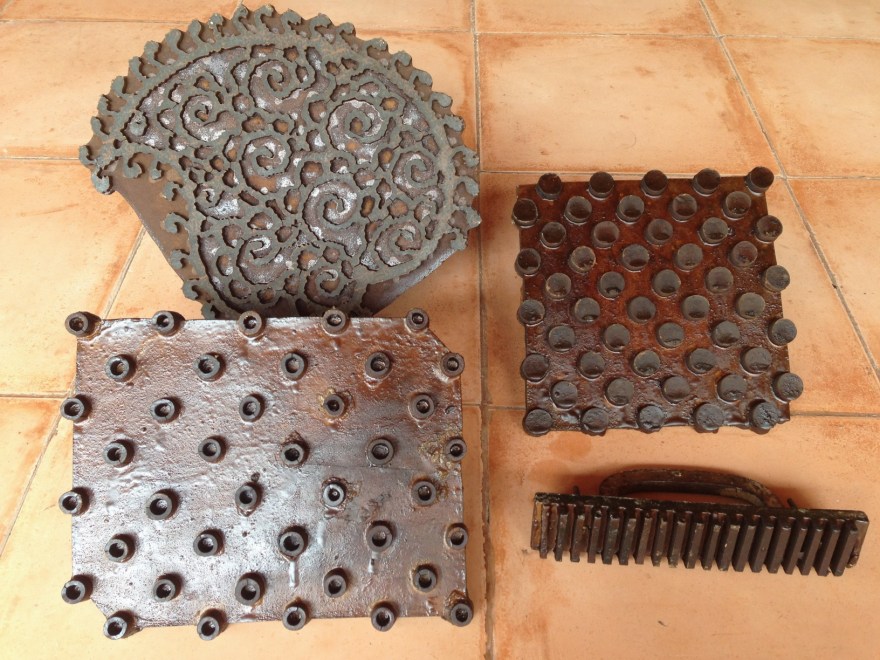
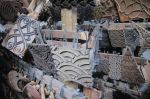
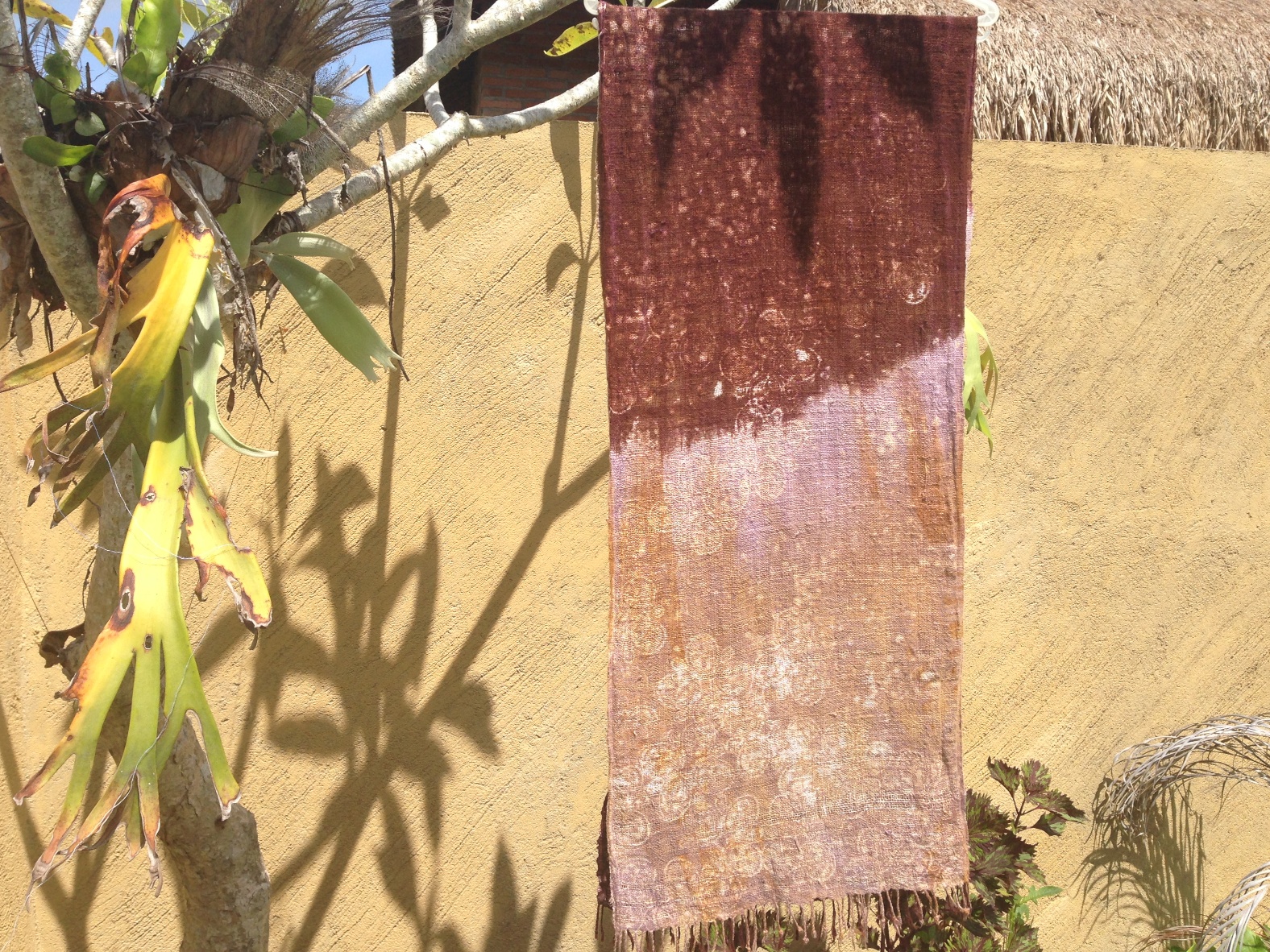 Hand stamping is my favorite part of batik creation. Copper tjaps (stamps) are dipped into hot wax and then pressed onto cloth. Widya has about 15 copper stamps that he designs and has made in Java. They are beautiful and range from traditional to contemporary. A traditional batik artist will very carefully align stamps to create a clean or organized pattern across his piece. I, however, approach it differently. I work with tjaps that haven’t been sufficiently dipped in wax to create a splotchy and modeled effect. I like layering different tjaps on top of each other to make a cloudy and inconsistent effect. After the first few weeks of working with Widya’s copper tjaps, I started wondering if I could create a different effect with wood carved stamps, so I set out in search of someone who could make a few of these for me.
 And then some fortuitous timing…
 My 2-month batik immersion has been a transformative experience, and I hope I’m able to continue learning, experimenting and creating once we get to Berlin. What started out as play turned into an internship, and is now shaping up to feel like graduate studies.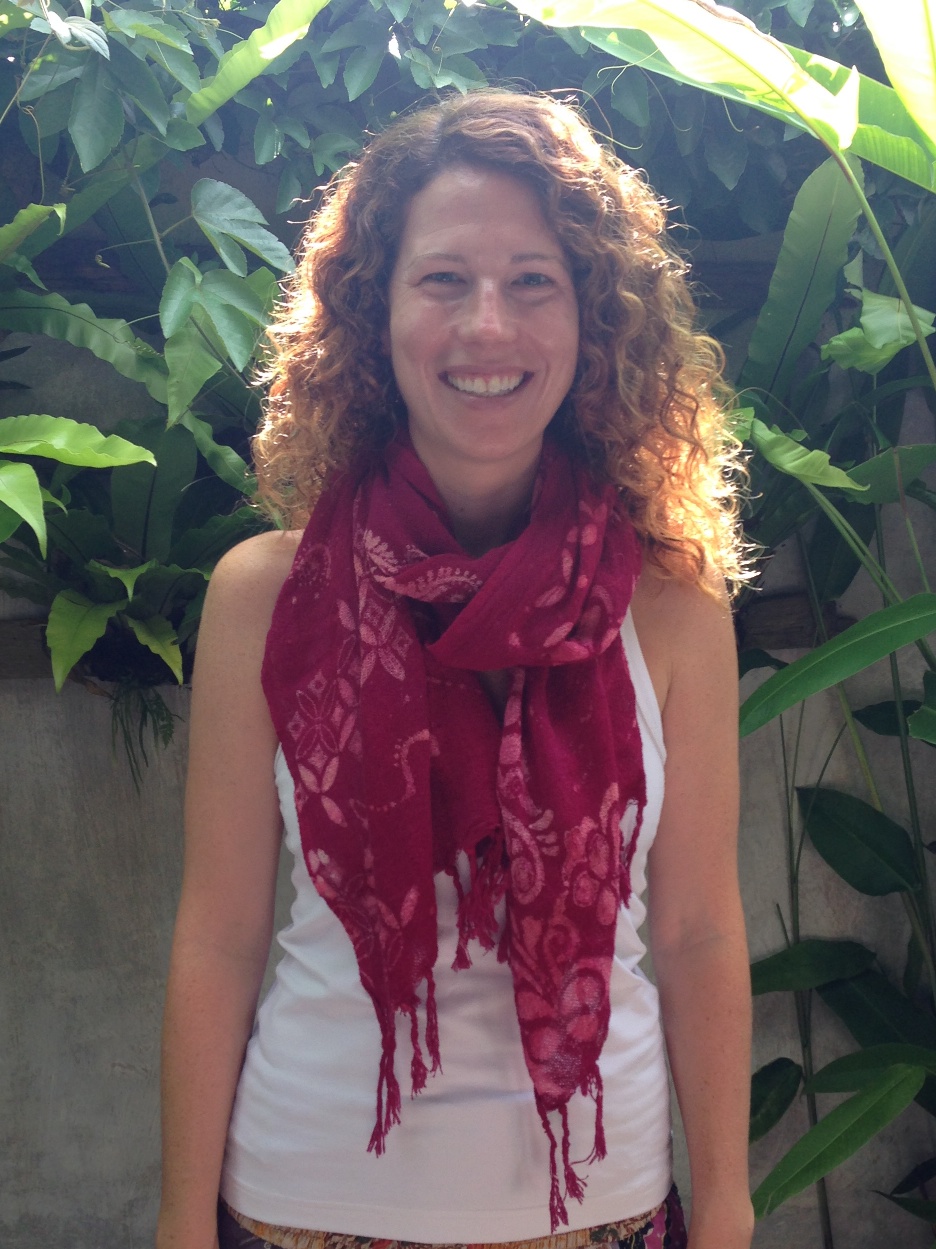







 brooklyntoberlin.com